











Few things are more frustrating than showing up to training feeling tired, sluggish and lacking motivation.
You may be eating plenty of vegetables, avoiding processed foods and doing everything you believe is "healthy"—yet your workouts still feel harder than they should.
If this sounds familiar, you're not alone.
Many athletes and active individuals experience low energy during exercise despite maintaining what appears to be a healthy diet.
The reality is that healthy eating and performance nutrition are not always the same thing.
Let's explore some of the most common reasons you may feel flat during training.
You're Not Eating Enough Carbohydrates
One of the biggest mistakes active people make is unintentionally under-consuming carbohydrates.
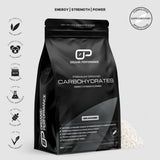
Carbohydrates are the body's preferred fuel source for moderate and high-intensity exercise.
While low-carbohydrate diets may work well for some lifestyle goals, they often compromise performance when training intensity increases.
Common signs of inadequate carbohydrate intake include:
- Heavy legs
- Poor workout performance
- Reduced endurance
- Difficulty maintaining intensity
- Excessive fatigue after training
Athletes training multiple times per week typically require significantly more carbohydrates than sedentary individuals.
You're Under-Eating Overall
Many active people focus on food quality but overlook total calorie intake.
Even nutritious foods can become problematic if total energy intake is too low.
When energy intake consistently falls below energy expenditure, the body begins conserving resources.
Common symptoms include:
- Fatigue
- Poor recovery
- Reduced motivation
- Increased soreness
- Plateaus in performance
This is particularly common among endurance athletes and individuals actively trying to lose weight.
You're Not Hydrating Properly
Even mild dehydration can negatively affect performance.
Research suggests losing as little as 2% of body weight through sweat can reduce endurance capacity and increase perceived effort.
Signs of inadequate hydration include:
- Headaches
- Fatigue
- Dizziness
- Increased heart rate during exercise
- Poor concentration
Hydration isn't simply about drinking more water. Replacing electrolytes is equally important during longer sessions.
You're Not Replacing Electrolytes
Sweat contains more than just water.
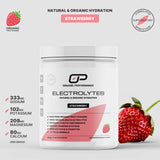
Electrolytes such as sodium, potassium, magnesium and calcium are lost throughout exercise.
For athletes training in warm conditions or exercising for extended periods, electrolyte depletion may contribute to fatigue and reduced performance.
This is one reason many athletes feel noticeably better when switching from plain water to a properly formulated electrolyte drink during longer sessions.
Your Recovery Nutrition Needs Improvement
The work you do after training influences how you feel during your next session.
Recovery nutrition should focus on:
- Protein for muscle repair
- Carbohydrates for glycogen replenishment
- Fluids and electrolytes for rehydration
Athletes who consistently neglect post-workout nutrition often experience cumulative fatigue over time.
You're Not Sleeping Enough
Nutrition is important, but sleep remains the foundation of recovery.
Sleep supports:
- Muscle recovery
- Hormonal health
- Cognitive function
- Immune function
- Energy production
Even the best nutrition plan cannot fully compensate for inadequate sleep.
Most active adults benefit from seven to nine hours of quality sleep each night.
You're Trying To Train Too Hard Too Often
Many motivated athletes spend too much time in the middle ground.
Training is hard enough to create fatigue but not structured enough to optimise adaptation.
Without sufficient recovery, fatigue accumulates faster than fitness improves.
Warning signs include:
- Declining performance
- Elevated resting heart rate
- Reduced motivation
- Persistent soreness
- Poor sleep quality
Sometimes the solution isn't more effort—it's better recovery.
Could Nutrient Deficiencies Be Contributing?
Low iron, vitamin B12 deficiency, low vitamin D and inadequate energy intake can all contribute to fatigue.
If fatigue is persistent despite appropriate nutrition and recovery, discussing blood testing with your healthcare provider may be worthwhile.
This is particularly relevant for endurance athletes, females and individuals following restrictive diets.
Practical Steps To Improve Training Energy
If you're consistently feeling flat during training:
- Increase carbohydrate intake around workouts
- Ensure total calorie intake matches training demands
- Hydrate before, during and after exercise
- Replace electrolytes during longer sessions
- Prioritise recovery nutrition
- Improve sleep quality
- Monitor training load and recovery
Small improvements in these areas can often produce significant improvements in performance.
Final Thoughts
Feeling flat during training isn't always a sign that something is seriously wrong.
More often, it's the result of one or more simple factors such as inadequate carbohydrates, poor hydration, insufficient recovery or low overall energy intake.
The key is understanding that eating healthy and eating for performance are not necessarily the same thing.
By matching your nutrition, hydration and recovery strategies to your training demands, you'll give your body the best opportunity to perform at its highest level.