










Whether you're training for a marathon, riding long distances, competing in triathlons or simply exercising in the Australian heat, you've probably heard that replacing electrolytes is important.
But have you ever wondered how much sodium you're actually losing in sweat?
The answer may surprise you.
Many athletes focus heavily on carbohydrates, protein and hydration but overlook sodium intake entirely. Unfortunately, inadequate sodium replacement can negatively impact performance, increase the risk of cramping and contribute to fatigue, headaches and reduced endurance.
Let's take a closer look at sodium loss in sweat, why it matters and how much you may need to replace during exercise.
Why Is Sodium Important?
Sodium is the primary electrolyte lost through sweat.
It plays several critical roles within the body, including:
- Maintaining fluid balance
- Supporting muscle contraction
- Assisting nerve function
- Helping regulate blood pressure
- Promoting hydration by improving fluid retention
When sodium levels fall too low during prolonged exercise, performance can suffer long before dehydration becomes severe.
This is particularly relevant for endurance athletes who train or compete for more than 60 minutes.
How Much Sodium Is In Sweat?
The amount of sodium lost through sweat varies dramatically between individuals.
Research has shown sweat sodium concentrations can range from approximately 200mg to more than 2,000mg per litre of sweat.
Most athletes typically fall somewhere between:
500–1,000mg of sodium per litre of sweat
This means two athletes completing the exact same training session could lose vastly different amounts of sodium.
Factors influencing sodium loss include:
- Genetics
- Sweat rate
- Training status
- Heat acclimation
- Exercise intensity
- Environmental conditions
Some athletes are commonly referred to as "salty sweaters" because they lose significantly more sodium than average.
Signs You May Be A Salty Sweater
You may lose higher-than-average amounts of sodium if you regularly notice:
- White salt stains on clothing
- Salt crystals on your skin after exercise
- Stinging sweat in your eyes
- Frequent muscle cramps
- Headaches during long training sessions
- Feeling unusually fatigued despite adequate hydration
While these signs aren't definitive, they can provide useful clues.
How Much Sweat Do Athletes Lose?
Just as sodium losses vary, sweat rates also differ significantly.
Most athletes lose between:
500mL to 1.5L of sweat per hour
However, during hot Australian summers, heavy sweaters may exceed:
2L per hour
Let's look at a practical example.
An athlete loses:
- 1L of sweat per hour
- 800mg sodium per litre
Over a two-hour session they would lose:
- 2L of sweat
- 1,600mg sodium
Replacing only water would dilute sodium levels further and may leave the athlete under-fuelled and under-hydrated.
Can You Drink Too Much Water?
Surprisingly, yes.
One of the biggest mistakes endurance athletes make is consuming large amounts of plain water without replacing electrolytes.
In extreme situations this can contribute to exercise-associated hyponatraemia, a condition where blood sodium concentrations become dangerously diluted.
While relatively uncommon, it highlights the importance of balancing both fluid and electrolyte intake during prolonged exercise.
Hydration isn't simply about drinking water. It's about maintaining the correct balance of fluids and electrolytes.
How Much Sodium Should Athletes Consume?
There is no universal recommendation that works for everyone.
However, general guidelines suggest:
Low Sodium Sweaters
300–500mg sodium per hour
Average Sodium Sweaters
500–800mg sodium per hour
Heavy Sodium Sweaters
800–1,500mg sodium per hour
The longer the event and the hotter the conditions, the more important sodium replacement becomes.
Athletes competing in marathons, Ironman events, ultra-marathons and long-distance cycling events often benefit from actively planning sodium intake rather than relying on thirst alone.
Does Sodium Prevent Cramping?
Cramping is complex and rarely caused by a single factor.
Contributors may include:
- Neuromuscular fatigue
- High exercise intensity
- Inadequate training preparation
- Dehydration
- Electrolyte imbalances
While sodium isn't a guaranteed solution, maintaining adequate electrolyte intake can reduce one potential contributor to cramping during prolonged exercise.
Practical Tips To Replace Sodium
If you're exercising for less than 60 minutes, sodium replacement is generally less important.
For longer sessions:
- Begin exercise well hydrated
- Consume fluids regularly
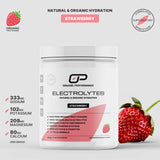
- Use electrolyte products containing meaningful sodium levels
- Increase sodium intake during hot conditions
- Practice your hydration strategy during training
Most importantly, avoid trying new hydration strategies on race day.
Final Thoughts
Sodium is one of the most important yet overlooked nutrients in sports performance.
The amount you lose in sweat depends on your individual physiology, sweat rate and training conditions. For many athletes, replacing sodium appropriately can improve hydration, support endurance performance and reduce the risk of fatigue during longer sessions.
If you've ever wondered why you struggle during long training sessions despite drinking plenty of water, sodium intake may be worth investigating.
Understanding your personal sweat and sodium losses can be one of the most valuable steps you take towards improving performance.