


Why Choose Plant-Based Protein?
Protein is one of the most important nutrients for health and performance. It helps repair muscle, supports immune function, keeps you feeling full and plays a role in almost every system within the body.
For years, animal proteins dominated the conversation. Today, however, plant-based proteins have become increasingly popular—and for good reason.
Choosing a quality plant protein isn't about avoiding meat or dairy. It's about adding more nutrient-rich plants into your diet while giving your body another clean, effective source of protein.
Let's explore why.
Plants Deserve a Bigger Place on Your Plate
One of the biggest nutritional challenges in modern diets isn't usually a lack of protein.
It's a lack of plant diversity.
Research consistently shows that people who consume a wide variety of plant foods tend to have healthier gut microbiomes, better digestive health and improved long-term health outcomes.
Plants provide far more than just carbohydrates or fibre. They contain:
- Polyphenols
- Antioxidants
- Vitamins
- Minerals
- Phytochemicals
- Natural fibres
These compounds help nourish the beneficial bacteria living within your digestive system.
Adding a daily plant-based protein shake is an easy way to increase your intake of plant-derived nutrients—especially if your diet is otherwise centred around meat and dairy.
Your Gut Microbiome Loves Variety
Inside your digestive tract live trillions of bacteria that collectively form your gut microbiome.
These bacteria influence:
- Digestion
- Immune function
- Inflammation
- Energy metabolism
- Mood
- Recovery
- General health
The healthier and more diverse your gut microbiome, the better it generally functions.
Different bacteria thrive on different foods.
When you regularly consume a wide variety of plant foods, you feed a wider variety of beneficial bacteria.
This diversity is associated with better digestive health and may contribute to improved metabolic and immune health over time.
Plant Protein Doesn't Mean Giving Up Meat
This is perhaps the biggest misconception.
At Organic Performance, we don't believe nutrition has to be all or nothing.
Quality meat, seafood, eggs and dairy remain incredibly nutritious whole foods.
They're rich in highly bioavailable protein, essential vitamins and important minerals.
The goal isn't to replace them.
The goal is to complement them.
Think of plant protein as another tool that helps increase your overall intake of beneficial plant foods while providing convenient, high-quality protein whenever whole food isn't practical.
Whole Foods Should Always Come First
Protein powders are supplements.
They should supplement—not replace—a nutritious diet.
Our recommendation is simple:
Build your meals around whole foods like:
- Lean meat
- Fish
- Eggs
- Dairy (if tolerated)
- Legumes
- Whole grains
- Vegetables
- Fruit
- Nuts and seeds
Then use protein powder to help fill the gaps.
Whether that's after training, during a busy workday or when travelling, protein powder simply makes it easier to consistently reach your daily protein target.
Plant Protein Supports Recovery Too
Modern plant protein blends have come a long way.
High-quality formulations now provide complete amino acid profiles capable of supporting:
- Muscle recovery
- Muscle growth
- Exercise adaptation
- Satiety
- Everyday protein requirements
When total daily protein intake is adequate, research shows that quality plant proteins can effectively support muscle maintenance and growth—particularly when they contain complementary protein sources and sufficient essential amino acids.
Easier on the Digestive System
Many people choose plant protein because they simply feel better after drinking it.
Depending on the formulation, plant proteins may be suitable for those who experience discomfort with dairy-based proteins.
Many quality plant proteins are naturally:
- Dairy free
- Lactose free
- Vegan friendly
- Gluten free
This makes them an excellent option for people with dietary preferences or sensitivities.
Sustainability Is an Added Bonus
While health should always come first, plant proteins also generally have a lower environmental footprint than many animal-derived protein sources.
Choosing a plant protein a few times each week is one simple way to increase dietary variety while supporting more sustainable food production.
Who Should Consider Plant Protein?
Plant protein can be an excellent choice for:
- Athletes wanting a clean recovery shake
- Busy professionals needing convenient nutrition
- People increasing their intake of plant foods
- Anyone avoiding dairy
- Vegans and vegetarians
- Individuals wanting to diversify their protein sources
The Organic Performance Difference
At Organic Performance, we believe less is often more.
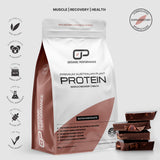
Our Organic Plant Protein is made using carefully selected certified organic ingredients with no artificial colours, flavours or preservatives.
We focus on simple, effective nutrition that complements a healthy diet—not replaces it.
Whether you're training for your next event, recovering after the gym or simply trying to eat more plants, our protein is designed to make healthy nutrition easy.
Final Thoughts
The question isn't whether plant protein is better than meat or dairy.
The better question is:
How can you eat a wider variety of nutritious foods?
For most people, the answer includes both.
Enjoy quality whole-food sources like lean meat, eggs and dairy, while using plant protein as a convenient way to increase plant intake, support gut health and meet your daily protein goals.
Nutrition isn't about choosing sides—it's about building a balanced, varied diet that supports your health for years to come.