





You don’t need to be vegan to choose plant-based protein. You need a powder that fits your diet, helps you meet your protein needs and is enjoyable enough to use consistently.
Whether you train in the gym, spend weekends on the trails or want a convenient addition to breakfast, plant-based protein powder can earn its place in your routine. This guide explains the main types, what to look for on the label and how to use it without overcomplicating your nutrition.
What is plant-based protein powder?
Plant-based protein powders concentrate protein from foods such as peas, rice, soy, beans and hemp. Some use a single source; others combine two or more.
They offer an alternative to milk-derived proteins such as whey and casein. That can be useful if you avoid dairy, follow a plant-based diet or simply prefer the flavour and texture. However, “plant-based” is not a guarantee that a product suits every allergy: always read the ingredients and allergen statement.
The main types of plant protein
- Pea protein: a popular choice for shakes and blends. Its amino acid profile is relatively rich in lysine, while sulphur-containing amino acids are more limiting.
- Rice protein: often paired with pea protein because their amino acid profiles can complement one another.
- Soy protein: provides all nine essential amino acids and is a well-researched plant protein option. It is not suitable for someone with a soy allergy.
- Faba bean protein: another legume-based option. Its nutrition depends on how it has been processed; a protein isolate should not be assumed to contain the fibre or fats found in whole beans.
- Hemp protein: may retain more fibre and fat than highly refined isolates, depending on the product. Compare the nutrition panel rather than assuming every powder is equivalent.
- Blends: combine sources to balance nutrition, taste and texture. The proportions and protein quality still matter.
Plant sources differ in their digestibility and amino acid composition. Blending can help, but simply listing two ingredients does not prove a particular protein quality score. Read the review of plant protein quality.
What does “complete protein” mean?
Your body needs nine essential amino acids from your diet. A useful protein source supplies these in suitable amounts, rather than merely containing a trace of each.
Leucine is one of those amino acids and helps signal muscle protein synthesis. But it works as part of the full amino acid supply, not as a replacement for enough total protein. For most people, a varied diet and sufficient daily protein are more practical priorities than tracking every amino acid individually.
Can plant-based protein help build muscle?
Yes. Plant-based diets can support strength and muscle gains when they provide enough protein and energy alongside resistance training.
In a 12-week study of previously untrained young men, a protein-matched plant-based diet supplemented with soy supported similar gains in muscle and strength to a mixed diet supplemented with whey. That is encouraging, but it does not show that every plant powder or serving is identical to whey. Read the protein-matched training study.
Think of powder as a convenient way to fill a dietary gap. It does not replace progressive training, enough food or recovery.

How much protein do you need?
Your needs depend on body size, age, training and goals. Victorian Government sports-nutrition guidance gives a broad range of 1.2–2.0 grams per kilogram of body weight per day for people exercising regularly. For a 70 kg adult, that is roughly 84–140 grams across the whole day, not from supplements alone. Better Health Channel sports-nutrition guidance.
Start by considering the protein already supplied by meals and snacks. If food comfortably meets your needs, you may not need a powder. If breakfast is light on protein or you struggle to eat after training, a shake can be useful.
The Australian Institute of Sport notes that a supplement supplying 20–40 grams of protein can suit many sports-nutrition situations, depending on the athlete. That means grams of protein, not grams of powder. Check the nutrition panel: a 40-gram scoop of powder is not necessarily 40 grams of protein. AIS protein-supplement guidance.
When should you take it?
Choose a time that helps you eat enough protein consistently. After training is convenient, especially when your next meal is some time away. Breakfast, an afternoon snack or a smoothie can work too.
You do not need to panic about finishing a shake within exactly 30 minutes. Your overall intake and the meals around your session matter more than treating one narrow window as a deadline. Spread protein-containing foods through the day rather than relying on one large evening serve.
Plant protein or whey: which suits you?
Both can be practical protein sources. The best choice is the one that meets your nutrition needs, dietary preferences and tolerance.
- Avoiding animal ingredients: choose a product with a suitable plant-based ingredient list.
- Lactose intolerance: a dairy-free powder may help avoid lactose, but tolerance varies and some whey isolates contain little lactose.
- Milk allergy: this is different from lactose intolerance. Check allergen and cross-contact information and follow professional advice.
- Digestive comfort: portion size, ingredients and individual sensitivity all matter. Plant protein is not automatically easier for everyone to digest.
There is no need to label one entire category “good” and the other “bad.” Compare the actual products.
What to look for on the label
- Protein per serve: compare the amount of protein, the serving size and how it fits your needs.
- Protein sources: look beyond the front-of-pack headline to the ingredient list.
- Allergen information: check both ingredients and relevant cross-contact warnings.
- Ingredients you want: choose flavours and sweeteners you enjoy and tolerate. A shorter list may suit your preferences, but does not by itself prove superior nutrition.
- Value: compare cost per useful serving of protein, not just the tub size.
- Testing that matches your needs: a heavy-metal test and banned-substance batch certification are different checks. Competitive athletes should verify the relevant certification for their actual product and batch.
Also avoid assuming that a powder has the fibre, antioxidants or micronutrients of the whole plant it came from. Processing changes the composition; the label is your guide.
What’s in Organic Performance Plant Protein?
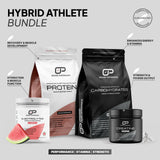
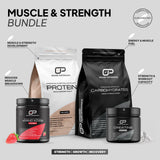
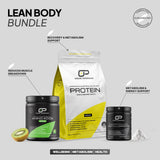
Our current Organic Performance Plant Protein uses organic golden pea and sprouted brown rice. It is a plant-based blend designed for shakes, smoothies and baking, with flavours including Dutch Chocolate, Vanilla Bean, Banana, Iced Coffee, Caramel and Strawberry.
Check the individual flavour’s current ingredient list and nutrition panel before choosing. Flavour ingredients can differ, so avoid assuming every variety has exactly the same nutrition.

Easy ways to use plant-based protein powder
- A simple shake: mix with water or your preferred milk alternative, following the product directions.
- A more substantial smoothie: add fruit, oats and a suitable milk or yoghurt alternative. Adjust the ingredients to your appetite and training needs.
- Breakfast: stir into porridge or yoghurt, adding extra liquid if needed.
- Baking: use a tested recipe rather than replacing all the flour with protein powder, which can change texture and moisture.
- Portable snacks: add to homemade protein balls when a convenient option helps you eat regularly.
For inspiration, try our high-protein banana bread recipe.
The bottom line
Plant-based protein powder can be a straightforward way to support your protein intake, whether you avoid dairy or simply enjoy it. Focus on the protein supplied, the ingredient list and how it fits with the rest of your food.
Keep meals varied, fuel your training and choose a routine you can maintain. Explore Organic Performance Plant Protein to find a flavour that fits yours.
This guide provides general information for adults, not personalised nutrition advice. If you have a medical condition, food allergy or specific dietary requirements, speak with an Accredited Practising Dietitian or your treating clinician.