
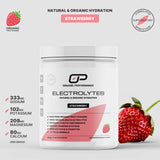











Hydration and rehydration are often used interchangeably — but they are not the same thing.
Understanding the difference is critical for athletes, active individuals, and anyone dealing with fatigue, cramps, or brain fog.
What Is Hydration?
Hydration is the ongoing maintenance of fluid balance.
It refers to:
-
Daily water intake
-
Baseline electrolyte levels
-
Cellular fluid balance
Good hydration supports:
-
Cognitive function
-
Energy levels
-
Digestion
-
Circulation
Hydration is preventative.
What Is Rehydration?
Rehydration is the restoration of fluids and electrolytes after loss.
This typically occurs:
-
After training
-
After sweating
-
In hot environments
-
After illness or dehydration
Rehydration requires electrolytes, not just water.
Why Water Alone Is Often Not Enough
When you sweat, you lose:
-
Sodium
-
Potassium
-
Magnesium
-
Calcium
Drinking water alone:
-
Dilutes blood sodium
-
Reduces fluid retention
-
Can worsen fatigue or cramping
This is why athletes can feel bloated yet still dehydrated.
The Role of Sodium in Rehydration
Sodium:
-
Drives water absorption
-
Maintains blood volume
-
Supports nerve and muscle function
Without sodium, rehydration is incomplete — regardless of water intake.
Buffered sodium forms (like sodium citrate) improve tolerance and reduce gut discomfort during prolonged use.
Signs You Need Rehydration (Not More Water)
-
Headaches
-
Brain fog
-
Muscle cramps
-
Dizziness
-
Persistent fatigue despite drinking fluids
These are electrolyte issues, not water issues.
How to Hydrate vs Rehydrate Properly
Daily hydration:
-
Water throughout the day
-
Light electrolyte intake if active or stressed
Rehydration (post-training or sweating):
-
Water + electrolytes
-
Sodium first, then potassium and magnesium
-
Gradual intake over 30–90 minutes
Hydration maintains balance.
Rehydration restores it.