














If you feel sluggish, foggy, unmotivated, or just flat after Christmas — you’re not alone. Even people who train consistently often notice a dip in energy, focus, and performance during the holidays.
The good news? This isn’t a loss of fitness or discipline. It’s a temporary physiological response to disrupted routines — and it’s very fixable.
Let’s break down why post-Christmas fatigue happens and how to reset your energy, hydration, and performance in just one week.
Common Signs of Post-Christmas Fatigue
-
Low energy and motivation
-
Brain fog or poor focus
-
Heavier or sluggish training sessions
-
Poor sleep quality
-
Increased cravings and appetite swings
-
Feeling dehydrated despite drinking water
These symptoms often show up together — and they all share a few common causes.
Why You Feel Flat After Christmas
1. Dehydration (Disguised as Fatigue)
Between summer heat, travel, social events, and alcohol, dehydration is one of the biggest — and most overlooked — causes of post-Christmas fatigue.
Alcohol increases fluid loss, disrupts electrolyte balance, and reduces sleep quality. Even mild dehydration (1–2% bodyweight loss) can reduce:
-
Energy levels
-
Cognitive function
-
Strength and endurance
Drinking water alone often isn’t enough — especially if electrolytes haven’t been replaced.
2. Electrolyte Imbalance
Sweating more, drinking alcohol, and eating irregular meals all affect sodium, potassium, and magnesium levels.
Low electrolytes can lead to:
-
Headaches
-
Brain fog
-
Muscle tightness or cramping
-
Poor sleep
-
Persistent fatigue
This is why people often feel “hungover” even days after the holidays have passed.
3. Inconsistent Nutrition and Blood Sugar Swings
Christmas eating tends to be:
-
Higher in refined carbs and sugar
-
Lower in structured protein intake
-
Spread across irregular meal times
This can cause blood sugar highs followed by crashes — leading to low energy, irritability, and cravings.
It’s not about overeating — it’s about inconsistency.
4. Disrupted Sleep and Nervous System Fatigue
Late nights, travel, and social schedules disrupt circadian rhythm and increase nervous system stress.
Poor sleep affects:
-
Energy production
-
Hormonal balance
-
Appetite regulation
-
Training performance
Even a few nights of disrupted sleep can leave you feeling flat for days.
How to Reset After Christmas in 7 Days
This reset isn’t about restriction or punishment — it’s about restoring balance.
Day 1–2: Rehydrate Properly
Start by addressing dehydration first.
-
Drink water consistently throughout the day
-
Add electrolytes once or twice daily
-
Prioritise sodium intake to restore fluid balance
You’ll often notice improvements in energy and mental clarity within 24–48 hours.
Day 3–4: Stabilise Meals and Blood Sugar
Return to regular meal timing:
-
3 main meals
-
1–2 protein-based snacks
Focus on:
-
Protein at every meal
-
Moderate carbohydrates
-
Plenty of fluids
This helps stabilise energy levels and reduce cravings.
Day 5–6: Resume Light Training (Don’t Overdo It)
Avoid trying to “burn off” Christmas.
Instead:
-
Short, quality sessions
-
Lower volume
-
Focus on movement, not intensity
This reactivates metabolism without adding stress.
Day 7: Feel Like Yourself Again
By the end of the week, most people notice:
-
Improved energy
-
Better sleep
-
Clearer thinking
-
Stronger training sessions
Consistency beats extremes every time.
Key Nutrition Focus for a Post-Christmas Reset
-
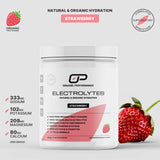
Hydration first → water + electrolytes
-
Protein → appetite control and recovery
-
Carbohydrates → restore glycogen and training energy
-
Electrolytes → especially after alcohol, heat, or sweating
This combination restores balance far more effectively than restriction or detoxes.
Final Thoughts: Reset, Don’t Restrict
Feeling flat after Christmas isn’t a failure — it’s feedback.
Your body is asking for:
-
Hydration
-
Electrolytes
-
Structure
-
Sleep
Give it those things, and energy returns quickly.
No extremes. No guilt. Just a calm, intentional reset.