













Training is the stimulus — recovery is the adaptation.
You don’t get fitter, stronger, or faster during workouts. You improve when your body repairs muscle tissue, replenishes energy stores, and resets the nervous system after training.
Without proper recovery, progress stalls — no matter how hard you train.
What Happens During Recovery
Post-training, your body needs to:
-
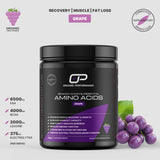
Repair muscle fibres
-
Replenish glycogen (carbohydrate stores)
-
Rehydrate and restore electrolytes
-
Reduce inflammation
-
Reset the nervous system
If any of these steps are missed, fatigue accumulates.
Signs You’re Under-Recovering
-
Persistent soreness
-
Declining performance week to week
-
Poor sleep quality
-
Irritability or low motivation
-
Frequent niggles or injuries
These are recovery failures — not training failures.
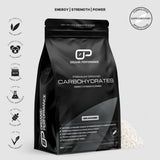
Carbohydrates: The Missing Link in Recovery
Protein repairs muscle, but carbohydrates restore performance.
Low glycogen leads to:
-
Poor training quality
-
Increased muscle breakdown
-
Elevated cortisol
-
Slower recovery between sessions
Post-training carbohydrates are especially critical for athletes training multiple times per week (or per day).
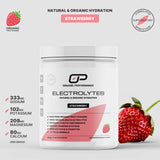
Hydration and Electrolytes Accelerate Recovery
Sweat loss doesn’t just reduce performance — it delays recovery.
Electrolytes are required to:
-
Restore plasma volume
-
Support muscle relaxation
-
Regulate nerve signalling
-
Reduce cramping and stiffness
Rehydration without electrolytes is incomplete.
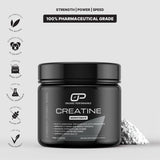
Creatine and Recovery Adaptation
Creatine doesn’t just improve strength — it supports:
-
Faster ATP regeneration
-
Improved muscle cell hydration
-
Reduced muscle damage
-
Better training adaptations over time
Daily creatine use improves recovery quality, not just gym numbers.
How to Optimise Recovery
After training:
-
Rehydrate with water
-
Replace electrolytes
-
Consume protein for repair
-
Add carbohydrates to restore glycogen
-
Use creatine consistently
Recovery isn’t passive — it’s strategic.