















You might be eating enough protein—but are you actually fuelling your training?
For many gym-focused athletes, protein is the centre of the nutrition conversation.
How many grams are in your shake? Are you eating enough to build muscle? Did you get protein in immediately after training?
These are useful questions—but they only address part of the equation.
If your training now combines lifting with running, HYROX, CrossFit-style workouts, intervals, sled work or high-output conditioning, protein alone cannot supply the energy required to perform at your best. You may be meeting your protein target while still arriving at sessions under-fuelled.
The missing piece is often carbohydrate.
Strength athletes need carbohydrates too
Carbohydrates are sometimes treated as endurance-only fuel. The logic is that runners and cyclists need carbs, while strength athletes simply need protein.
In reality, demanding strength and hybrid sessions rely heavily on carbohydrate stored in the muscles as glycogen.
This is particularly relevant when training includes:
-
High-volume resistance work
-
Moderate-to-high repetition sets
-
Short recovery periods
-
Supersets or circuits
-
Sprints and intervals
-
Rowing, skiing or assault-bike efforts
-
Sled pushes, pulls and carries
-
HYROX or CrossFit-style conditioning
-
Strength and endurance sessions on the same day
A single heavy repetition may rely primarily on the body’s immediate energy systems. However, repeatedly producing force across a complete session places a much greater demand on glycogen.
The more volume, intensity and conditioning you add, the more important carbohydrate availability becomes.
What is glycogen?
When you eat carbohydrates, they are broken down into glucose. The body can use some of that glucose immediately and store some in the liver and muscles as glycogen.
Muscle glycogen acts like an accessible fuel reserve. During hard exercise, your muscles break it down to help produce the energy required to sustain repeated contractions.
As training continues and glycogen availability falls, you may notice:
-
A drop in pace or power
-
Fewer quality repetitions
-
Heavier-feeling legs
-
Reduced motivation or concentration
-
Difficulty maintaining intensity
-
Greater perceived effort
-
A weaker finish to the session
This does not mean every poor workout is caused by low glycogen. Sleep, stress, hydration, illness and overall recovery all influence performance. But when an athlete regularly trains hard while restricting carbohydrates, inadequate fuel is an obvious place to look.
The protein-first trap
Protein is essential for repairing and building muscle, but it is not the body’s preferred fuel for high-intensity training.
When athletes prioritise protein while significantly limiting carbohydrate, they can end up with plenty of building material but insufficient energy to produce the training stimulus that drives adaptation.
Think of it this way:
Protein helps repair the work. Carbohydrates help power the work.
You need both.
A protein shake after training can support muscle repair, but it does not automatically replace the glycogen used during a demanding session. Likewise, consuming carbohydrates without enough daily protein may leave muscle recovery unsupported.
For hybrid athletes, the better strategy is not protein or carbohydrates. It is the right combination of protein and carbohydrates, adjusted to the demands of the day.
Why hybrid training increases carbohydrate demand
Hybrid athletes sit at the intersection of strength and endurance.
A typical week might include heavy lower-body lifting, upper-body strength, interval running, longer aerobic work and a mixed conditioning session. Some athletes also complete two sessions in one day.
Each session draws from the same overall recovery capacity.
A run performed the morning after a high-volume leg session may begin with partially depleted glycogen. An evening lifting session can suffer if the day’s earlier conditioning work was not followed by adequate refuelling.
The closer your sessions are together, the more important recovery nutrition becomes.
Carbohydrate intake is especially valuable when:
-
A session is long or highly intense
-
Training contains repeated maximal or near-maximal efforts
-
You are completing two sessions in one day
-
Recovery time before the next workout is limited
-
You are preparing for a race or competition
-
Your performance fades sharply late in training
Rather than eating the same amount of carbohydrate every day, adjust your intake to your workload. Harder and longer days generally require more; rest and light days may require less.
This is often called fuelling for the work required.
Carbohydrates before training
The purpose of a pre-training meal is to begin the session with energy available and without digestive discomfort.
A balanced meal two to four hours beforehand might include:
-
Oats, banana and a protein source
-
Rice with lean protein and vegetables
-
Toast with eggs and fruit
-
Pasta with a light sauce and protein
-
Potatoes with fish, tofu or lean meat
If you are training early, have limited time or struggle with solid food before intense exercise, a smaller and more easily digested carbohydrate source may be more practical.
The closer you get to training, the more you may need to reduce heavy fats, excessive fibre and large portions. Experiment during normal training rather than changing your routine on competition day.
Carbohydrates during training
Not every session requires intra-workout carbohydrates.
For a short strength session performed after a suitable meal, water may be enough. However, intra-workout fuel becomes more useful as duration, volume and intensity increase.
It may be worth considering when:
-
Training lasts longer than approximately 60–75 minutes
-
You are combining lifting and conditioning
-
You are completing a HYROX simulation or long mixed-modal workout
-
The session includes sustained running, cycling, rowing or skiing
-
You begin training with limited time to eat beforehand
-
You have another session later that day
A common starting point for longer exercise is approximately 30–60g of carbohydrate per hour. Very long or demanding endurance sessions can require more, but higher intakes should be introduced gradually so the digestive system has time to adapt.
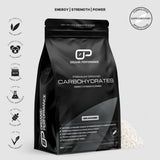
Organic Performance Carbohydrates provide a convenient way to add fast-absorbing fuel to your training bottle. Because the powder can be measured, you can adjust the amount according to the session rather than relying on a fixed serving for every workout.
For lower-volume gym or hybrid training, that may mean a smaller dose. For longer endurance-focused work, it may mean building towards a higher hourly intake.
GLUCO 100 or Dual Action Carbohydrates?
Organic Performance offers two carbohydrate approaches for different training demands.
GLUCO 100
GLUCO 100 provides a rapidly absorbed source of glucose. It is a straightforward option for strength training, shorter high-intensity sessions and post-workout glycogen replenishment.
It may suit athletes who want carbohydrate:
-
Before or during a high-volume gym session
-
Between two closely scheduled workouts
-
After demanding strength or conditioning work
-
Combined with protein in a recovery shake
GLUCO 50:50 Dual Action Carbohydrates
The Dual Action Carbohydrates combine glucose and fructose in a 1:1 ratio.
Glucose and fructose use different transport pathways in the intestine. Combining them can increase the body’s capacity to absorb carbohydrate compared with relying on glucose alone, which becomes especially useful when fuel requirements rise during longer exercise.
The Dual Action option is therefore particularly relevant for:
-
Long runs or rides
-
HYROX simulations
-
Extended conditioning sessions
-
High-volume competition days
-
Endurance events
-
Athletes working towards higher hourly carbohydrate intakes
This does not mean more is automatically better. Begin with an amount you tolerate comfortably and practise your strategy during training.
Your gut can be trained alongside your muscles.

Carbohydrates after training
The main objective of post-workout carbohydrate is to begin replacing the glycogen used during exercise.
How urgently you need to refuel depends on what comes next.
If you have a rest day after a moderate session, your normal meals may provide enough carbohydrate over the following hours. If another hard workout is scheduled later that day or early the next morning, refuelling becomes a higher priority.
Post-workout options can include:
-
Rice, potatoes or pasta with a protein source
-
Oats, fruit and yoghurt
-
A smoothie containing fruit, protein and carbohydrates
-
Toast, eggs and fruit
-
A recovery drink followed by a balanced meal
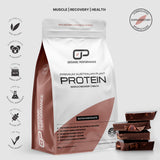
For a convenient recovery option, combine Organic Performance Carbohydrates with Organic Performance Protein Powder.
The carbohydrates begin replenishing glycogen while the protein supplies amino acids for muscle repair and adaptation.
A practical intra-workout strategy
Your ideal intake depends on your body size, goals, session and overall diet, but the following offers a simple starting framework.
Short strength session: under 60 minutes
If you have eaten beforehand:
-
Water is generally sufficient.
-
Focus on a carbohydrate-containing meal before and after training.
High-volume strength or hybrid session: 60–90 minutes
Consider:
-
Water and electrolytes according to sweat losses
-
Approximately 20–40g of carbohydrate across the session
-
A protein-and-carbohydrate meal or shake afterwards
Long or demanding conditioning: 90 minutes or more
Consider:
-
Approximately 30–60g of carbohydrate per hour
-
Fluid and electrolytes suited to the conditions
-
Dual Action Carbohydrates when sustained fuel delivery is the priority
-
A carbohydrate-and-protein recovery meal afterwards
Long endurance or competition session
Depending on intensity, duration and experience:
-
Carbohydrate requirements may rise beyond 60g per hour.
-
Use a combination of glucose and fructose to support higher intakes.
-
Develop the plan gradually in training.
-
Never test a new fuelling strategy on race day.
These are starting points, not rigid prescriptions. Adjust them according to your digestion, performance, sweat rate and total diet.
Signs you may need more carbohydrate
You may benefit from reviewing your carbohydrate intake if you regularly experience:
-
Strong starts followed by a major drop in performance
-
Flat or heavy legs during conditioning
-
Difficulty completing planned training volume
-
Persistent fatigue between sessions
-
Intense hunger after training or late at night
-
Poor recovery during high-volume weeks
-
Reduced performance when training twice in one day
-
A feeling that caffeine no longer fixes your low energy
These symptoms can have multiple causes. However, if your protein intake is carefully planned while carbohydrate intake is consistently low, the imbalance deserves attention.
Food first, performance nutrition when useful
Carbohydrate supplements are not designed to replace every carbohydrate-rich food in your diet.
Rice, oats, fruit, potatoes, pasta, bread and legumes provide valuable energy and nutrients. These foods should form the foundation of your everyday nutrition.
A dedicated carbohydrate product becomes valuable when you need something that is:
-
Easy to measure
-
Quick to mix
-
Convenient around training
-
Lower in fibre than many whole foods
-
Simple to consume during exercise
-
Adjustable to different session demands
The goal is not to drink carbohydrates all day. It is to use them strategically when they make fuelling and recovery more practical.
Fuel the training you want to perform
Hybrid athletes often want to be stronger, faster and fitter at the same time. Achieving that requires more than hitting a daily protein number.
Protein supports muscle repair and growth. Carbohydrates support the training intensity, volume and repeat efforts that create the need for that repair.
If you are lifting, running and conditioning—but still eating as though you only complete short gym sessions—you may not be fuelling the athlete you have become.
Match your carbohydrate intake to your workload. Use whole foods as the foundation, add intra-workout fuel when session demands justify it, and combine carbohydrates with protein when rapid recovery matters.
You may already be eating enough protein.
Now make sure you are supplying enough energy to use it.