








Hybrid training asks a lot from your body.
One session might involve heavy squats, presses and sled work. The next could be intervals, a long run or a conditioning circuit. For HYROX athletes, CrossFit-style competitors and anyone combining strength with endurance, nutrition has to support several physical demands at once.
You need enough energy to sustain high-intensity work, protein to repair and build muscle, carbohydrates to replenish glycogen, and fluid and electrolytes to replace what you lose through sweat. Neglect one of these areas and you may notice it in your performance: flat training sessions, fading pace, reduced power, persistent soreness or poor recovery between workouts.
The good news is that hybrid-athlete nutrition does not need to be complicated. Start with four foundations:
-
Eat enough total food to support your training.
-
Consume protein consistently throughout the day.
-
Adjust carbohydrate intake to match the demands of each session.
-
Replace fluid and electrolytes according to your individual sweat losses.
Here is how to put those principles into practice.
Why hybrid athletes need a different approach
Strength and endurance training create overlapping—but not identical—demands.
Resistance training challenges the muscles and nervous system, creating the stimulus for greater strength, power and muscle growth. Running, conditioning and longer mixed-modal sessions place a greater demand on glycogen, hydration and cardiovascular endurance.
When these disciplines are combined, recovery becomes especially important. You are not simply recovering from one type of exercise; you are preparing your body to perform a different kind of work in the next session.
That makes under-fuelling one of the biggest mistakes a hybrid athlete can make.
Consistently eating too little may compromise training quality, recovery, mood, sleep and your ability to adapt. A strong nutrition plan should therefore begin with real, nutrient-dense food and use sports supplements strategically for convenience—not as a replacement for a balanced diet.
1. Protein: repair, adapt and build strength
Protein supplies the amino acids your body uses to repair exercise-related muscle damage and build new tissue. This matters after strength training, but it is equally relevant for runners and conditioning athletes, whose muscles must also recover from repeated contractions and impact.
For most active people, a useful starting point is approximately 2.0-2.2 grams of protein per kilogram of body weight per day. Your ideal intake will depend on your total training load, energy intake, body-composition goals and recovery needs.
For an 80kg athlete, that equates to roughly 160-176g of protein across the day.
Rather than consuming most of it in one evening meal, spread protein across breakfast, lunch, dinner and one or two snacks. A practical target is around 30–40g in each main meal, adjusted for body size and daily requirements.
Whole-food sources can include:
-
Eggs, fish, lean meat or poultry
-
Tofu, tempeh and legumes
-
Greek-style yoghurt or dairy alternatives
-
Nuts, seeds and whole grains
-
A complete protein powder when food is not convenient
Following training, protein becomes especially useful when another session is approaching or when your next balanced meal is several hours away.
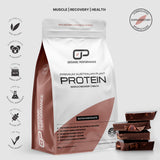
Organic Performance Protein Powder combines organic golden pea and organic sprouted brown rice protein to provide all nine essential amino acids. It can be used in a post-workout shake, smoothie or meal to help you meet your overall protein target.
The important point is consistency. The “perfect” post-workout shake cannot compensate for an otherwise inadequate daily protein intake.
2. Carbohydrates: the fuel behind quality training
Hybrid athletes sometimes place so much emphasis on protein that they forget the nutrient responsible for fuelling much of their hardest work: carbohydrates.
Muscle glycogen—the stored form of carbohydrate—is a major fuel source during lifting, intervals, running, sled work and high-intensity conditioning. When glycogen availability is low, pace, power and repeat-effort performance can decline.
Carbohydrate requirements should change with the demands of your training.
On a rest or light-activity day, you may require less. On days involving long runs, high-volume lifting, HYROX simulations, double sessions or demanding conditioning, you will generally benefit from more.
Base most of your daily carbohydrate intake around nutritious foods such as:
-
Rice, oats, pasta, bread and cereals
-
Potatoes and sweet potatoes
-
Fruit
-
Legumes
-
Milk or suitable alternatives
-
Other carbohydrate-rich foods that digest comfortably
Before training
A pre-training meal containing carbohydrates can help top up fuel stores and support training intensity. Depending on how much time you have, this might be:
-
Oats, fruit and protein two or three hours beforehand
-
Rice or pasta with a lean protein source
-
Toast with banana and yoghurt
-
A smaller, easily digested carbohydrate snack closer to training
As the session approaches, reduce excessive fat, fibre and very large portions if these tend to cause stomach discomfort.
During training
Water may be sufficient for many shorter or easier sessions. Carbohydrate becomes more useful when training is prolonged, intense or performed with limited recovery from an earlier session.
A common starting point for exercise lasting longer than about an hour is 30–60g of carbohydrate per hour. Longer endurance events may call for more, but higher intakes should be developed gradually during training—not attempted for the first time on race day.
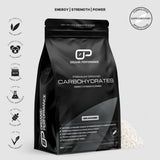
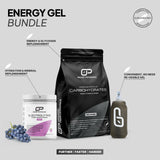
Organic Performance Carbohydrates are designed as a convenient source of fast-absorbing energy. The GLUCO 100 option provides an organic source of glucose, while GLUCO 50:50 combines glucose and fructose for longer endurance-focused fuelling.
Start conservatively, assess your energy and digestion, then refine the amount according to the length and intensity of your training.
After training
Carbohydrates after exercise help replenish muscle glycogen. They become particularly important when you have another session later that day or early the following morning.
Combine a carbohydrate source with protein after demanding sessions. This could be a complete meal or a shake containing Protein Powder and Carbohydrates, followed by a balanced meal when practical.

3. Hydration and electrolytes: replace what sweat takes away
Even modest dehydration can make a hard training session feel harder. Sweat losses can also be substantial during long runs, heated gyms, summer training and high-intensity events such as HYROX.
Sweat contains water and electrolytes—most notably sodium, along with potassium, magnesium, calcium and chloride. These minerals contribute to fluid balance, muscle function and normal nerve signalling.
Your hydration needs are individual. They change according to:
-
Body size
-
Sweat rate and sweat composition
-
Session length and intensity
-
Temperature and humidity
-
Clothing and equipment
-
Heat acclimatisation
A simple way to estimate sweat loss is to weigh yourself before and after training, accounting for anything you drink and any urine passed during the session. A one-kilogram reduction in body weight represents approximately one litre of net fluid loss.
You do not necessarily need to replace every drop while exercising. The objective is to begin training hydrated, avoid excessive fluid deficits and restore remaining losses afterwards.
When are electrolytes useful?
Plain water is suitable for many short, low-sweat sessions. Electrolytes become more valuable when:
-
Training lasts longer than approximately 60 minutes
-
Conditions are hot or humid
-
You sweat heavily or leave salt marks on clothing
-
You are completing multiple sessions
-
You need to rehydrate promptly
-
The activity combines sustained work with high intensity
Organic Performance Electrolytes provide sodium, magnesium, potassium, calcium and trace minerals using organic coconut water and real fruit powders, without artificial colours, flavours, sweeteners or preservatives.
For longer hybrid or endurance sessions, pairing electrolytes with carbohydrates can address both hydration and energy requirements in one drink.
Avoid treating hydration as a competition. Drinking far beyond your needs can also be dangerous. Use thirst, body-weight changes, urine colour and your own training experience to build a sensible plan.

4. Creatine for strength, power and repeat efforts
Creatine is one of the most widely researched sports supplements. It increases the availability of phosphocreatine in muscle, helping the body regenerate energy during short, intense efforts.
That makes it relevant not only to bodybuilders and powerlifters, but also to hybrid athletes performing:
-
Heavy lifting
-
Sprints
-
Sled pushes and pulls
-
Repeated high-intensity intervals
-
Explosive functional movements
Organic Performance Creatine Monohydrate provides pure, pharmaceutical-grade creatine without fillers or artificial additives.
Creatine works through regular use and muscle saturation, so consistency matters more than precise timing. It can be mixed with water or added to a carbohydrate or protein drink around training.
Some people notice a small increase in body weight after beginning creatine because more water is stored within the muscles. This is not the same as gaining body fat.
5. Recovery is more than a shake
Post-workout nutrition is important, but recovery is a full-day process.
A strong recovery routine should include:
-
Enough total energy to support your workload
-
Protein distributed throughout the day
-
Carbohydrates matched to training demand
-
Fluid and electrolyte replacement
-
Adequate sleep
-
Planned easy days and rest
-
Fruit, vegetables and other nutrient-rich foods
After a particularly demanding session, think in terms of the “four Rs”:
-
Refuel with carbohydrates.
-
Repair with protein.
-
Rehydrate with fluid and electrolytes.
-
Rest so the body can adapt.
A shake can be a convenient first step, but follow it with a balanced meal containing carbohydrates, protein, colourful vegetables and an appropriate source of dietary fat.
A practical hybrid-training nutrition plan
Individual needs vary, but the following provides a useful framework.
Before training
Two to four hours beforehand:
-
Eat a carbohydrate-rich meal.
-
Include a moderate serving of protein.
-
Drink enough fluid to begin the session well hydrated.
-
Choose familiar foods that sit comfortably.
During training
For shorter or easier sessions:
-
Water may be sufficient.
For long, hot or demanding sessions:
-
Use fluid and Electrolytes according to your sweat rate.
-
Consider approximately 30–60g of Carbohydrates per hour.
-
Practise your race-day plan in training.
After training
Within the next meal or recovery period:
-
Consume a quality protein source.
-
Replace carbohydrates according to the session’s demands.
-
Replace lost fluid and electrolytes.
-
Eat a balanced meal as soon as practical.
-
Continue eating and drinking adequately throughout the day.
One complete stack for hybrid athletes
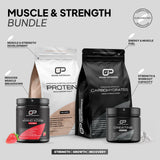
For athletes who want a straightforward supplement setup, the Organic Performance Hybrid Athlete Bundle brings the four key products together:
-
Protein Powder for muscle repair and daily protein intake
-
Carbohydrates for training energy and glycogen replenishment
-
Electrolytes for hydration and mineral replacement
-
Creatine Monohydrate for strength, power and repeat-effort performance
The bundle is designed for athletes combining lifting with running, HYROX, CrossFit-style training or conditioning. Each product can be adjusted to the demands of the day rather than used identically for every session.
Shop the Hybrid Athlete Bundle
Final thoughts
Hybrid performance is not built by chasing strength at the expense of endurance—or endurance at the expense of muscle and recovery. Your nutrition needs to support the full picture.
Prioritise whole foods, eat enough to match your workload, distribute protein across the day and increase carbohydrates around your hardest sessions. Hydrate according to your individual sweat losses and use proven supplements where they make your routine simpler and more consistent.
Train across disciplines. Fuel for every one of them.
General information only. Nutrition and hydration requirements vary between individuals. Athletes with medical conditions, dietary restrictions or highly demanding competition schedules should seek personalised advice from an accredited sports dietitian or qualified healthcare professional.