


















The Melbourne Marathon is one of Australia’s most iconic endurance events — and it demands a solid nutrition plan to match your training. Whether you’re aiming for a personal best or simply to cross the finish line strong, fuelling your body properly before, during, and after the race can make or break your performance.
In this guide, we outline a complete Melbourne Marathon nutrition strategy to help you run longer, recover faster, and feel your best on race day.
What Is the Melbourne Marathon and Why Is Nutrition So Important?
The Melbourne Marathon 2025 will bring together thousands of runners from all over the world to tackle distances from 10K to the full 42.2 km. With cool spring weather and a scenic course that finishes at the MCG, it's a favourite for first-timers and seasoned athletes alike.
But running a marathon isn’t just about training — it’s about strategy. Your nutrition plan can significantly impact your energy, hydration, and recovery. Glycogen depletion, dehydration, and electrolyte loss are common causes of mid-race fatigue, cramps, or even DNF (Did Not Finish). Let’s avoid that.
Nutrition Fundamentals: Carbohydrates, Hydration & Sodium
Marathon running places high demands on energy and hydration systems. The three pillars of endurance nutrition are:
-
Carbohydrates: Your main fuel source. Aim for 60–90g per hour on race day.
-
Hydration: Dehydration impairs performance. Sip water regularly and plan for humid weather.
-
Sodium/Electrolytes: Essential for fluid balance and cramp prevention. Sodium loss through sweat varies but can exceed 1,000mg/hr in heavy sweaters.
One Week Before the Race: Carb Loading Strategy
Carbohydrate loading increases glycogen stores, giving you more energy to draw from on race day.
Tips for effective carb loading:
-
Start 5–6 days before race day
-
Gradually increase carbs to 8–10g per kg of body weight per day
-
Focus on high-carb, low-fibre foods to reduce gut stress
-
Include rice, pasta, white bread, bananas, fruit juices, and carb drinks
This phase is about topping off your muscle fuel tank.
Day Before the Race: Maximising Glycogen Without Bloating
The final 24 hours should be about maintaining glycogen stores and reducing gut irritation.
-
Eat familiar, easy-to-digest meals
-
Keep fat and fibre low
-
Stay well hydrated — add electrolytes to water
-
Avoid heavy protein or unfamiliar foods
-
Include Carbohydrates + Electrolytes in your fluids to top up muscle glycogenand electrolyte balance
Example meals:
-
Breakfast: Toast with honey + juice
-
Lunch: White rice with lean chicken
-
Dinner: Pasta with tomato sauce and a bit of parmesan
-
Sip water + electrolytes and carbs steadily throughout the day
Race Day Breakfast: What to Eat and When
Aim to eat 2.5–3 hours before the start.
Ideal marathon breakfast options:
-
White toast with jam or honey + banana
-
Rice pudding with maple syrup
-
Oats + fruit + a little peanut butter (if tested in training)
-
Electrolytes in water
Avoid dairy (if sensitive), high-fibre cereals, or fatty foods that slow digestion. If nervous, sip a carb drink (~30g carbs) closer to the start.
Marathon Fuel Strategy: Carbohydrates + Electrolytes Using the Re-Fuel Gel Flask
During the race, aim for:
-
60–90g of carbohydrates per hour
-
150–250ml of water every 15–20 minutes
-
Electrolyte intake to replace sodium, magnesium, and potassium lost in sweat
Beginner-Friendly Tips:
-
Set your watch to vibrate every 15–20 minutes as a reminder to sip
-
Don’t wait until you feel thirsty or fatigued — stay ahead of energy loss
-
Practice your fuelling strategy in training runs to avoid surprises
Use the Re-Fuel Gel Flask:
-
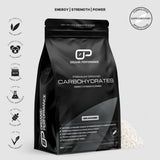
Mix Carbohydrates + Electrolytes with water
-
One flask = 3–4 gel serves (~60–75g carbs per flask)
-
Sip steadily every 15–20 minutes for consistent energy
-
Helps avoid gut distress from sugary commercial gels
Include Sodium Citrate:
Sodium Citrate is a buffering compound that:
-
Supports acid-base balance during endurance events
-
Can delay muscle fatigue
-
Enhances sodium availability without a salty taste
Organic Performance’s upcoming Electrolyte formula with Sodium Citrate will help runners fuel smarter without cramping or bloating.
Post-Marathon Recovery: Protein + Carbohydrates
You’ve crossed the finish line — now it’s time to recover.
In the first 30–60 minutes:
-
20–30g protein to kickstart muscle repair
-
60–80g carbohydrates to replenish glycogen
-
Rehydrate with electrolytes and water
Post-run options:
-
Organic Performance Plant Protein shake + banana
-
Smoothie with oats, berries, and protein
-
Electrolyte drink + rice cakes + peanut butter
Final Thoughts: Fuel Smart, Finish Strong
Nutrition can be the difference between a strong finish and hitting the wall. With a personalised plan that includes proper carb loading, race-day fuelling, and a recovery protocol, you’ll set yourself up for a successful Melbourne Marathon.